
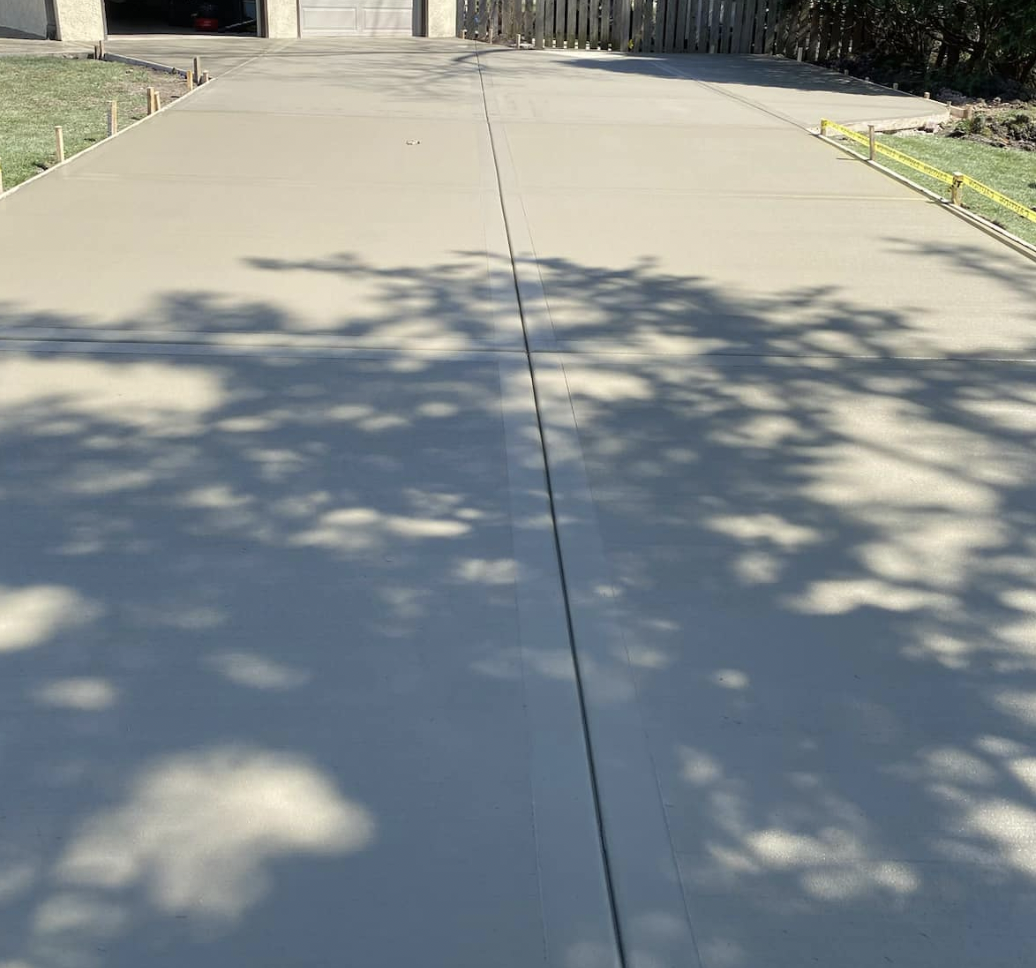
Concrete Repair & Resurfacing in Naperville, IL
Fix cracks, spalling, settling, and surface damage without the cost of full replacement. Honest assessments — we only recommend what you actually need.
Not every concrete problem requires a full tear-out and replacement. Cracks, surface spalling, minor settling, and cosmetic damage can often be repaired at a fraction of the cost — extending the life of your existing concrete by years or even decades. The key is an honest assessment of what is actually wrong and choosing the right repair method for the situation.
Naperville's climate is particularly tough on concrete. The repeated freeze-thaw cycles from October through April, combined with clay soil that expands and contracts with moisture, cause more concrete damage than most regions of the country. We see it every spring — driveways with new cracks, walkways that have heaved, and patios with surface flaking from winter salt exposure.
We repair concrete across Naperville and surrounding suburbs — driveways, patios, walkways, sidewalks, pool decks, garage floors, and commercial surfaces. If you are not sure whether your concrete needs repair or replacement, our repair vs. replacement guide walks you through how to evaluate the damage. Or just call us for a free inspection — we will tell you straight.
Concrete Repair Services
Different problems require different solutions. Here are the main types of repair we provide.
Crack Repair & Sealing
Hairline to moderate cracks are cleaned, routed if needed, and filled with flexible polyurethane sealant or structural epoxy. Flexible sealants move with the concrete through freeze-thaw cycles. Epoxy restores structural integrity for load-bearing cracks. Sealing cracks prevents water from penetrating the slab and causing further damage.
Spall & Surface Patching
Spalling — where the surface flakes, pits, or peels away — is common on concrete exposed to road salt and deicing chemicals. We remove the damaged material and apply a polymer-modified repair mortar that bonds to the existing concrete and matches the surrounding surface as closely as possible.
Concrete Leveling (Mudjacking & Polyfoam)
Sunken or uneven slabs are lifted back to grade by pumping material through small holes drilled in the surface. Mudjacking uses a cement-based slurry; polyfoam injection uses expanding polyurethane that is lighter and cures faster. Both cost 50-75% less than full replacement and take just a few hours.
Resurfacing & Overlays
A thin bonded overlay (1/4 to 1/2 inch) covers the entire slab with fresh concrete. This is the best option when the surface has widespread cosmetic damage but the slab underneath is structurally sound. Overlays can be stamped, colored, or textured for a decorative upgrade at the same time.
Partial Slab Replacement
When damage is concentrated in one area — a badly cracked section, a tree-root heave, or a failed joint — we can remove and replace just that section. The new pour is doweled into the existing slab for a seamless structural connection. This saves the cost of replacing the entire surface.
Our Repair Process
Every repair starts with an honest assessment. We never upsell replacement when repair will get the job done.
Inspection & Damage Assessment
We examine the concrete thoroughly — checking crack depth and pattern, surface spalling, settling or heaving, drainage issues, and structural integrity. This tells us whether repair, resurfacing, or replacement is the right approach and gives you an honest recommendation.
Repair Plan & Estimate
Based on the assessment, we present your options with clear pricing for each. We explain what each repair method involves, how long it will last, and when full replacement makes more economic sense. No pressure — just the information you need to decide.
Surface Preparation
We clean the damaged area, remove loose material, and prepare the surface for repair. For crack repairs, this means routing or chasing the crack to create a clean channel. For resurfacing, the entire surface is cleaned, profiled, and primed for bonding.
Repair or Resurfacing Application
Depending on the method: cracks are filled with flexible sealant or structural epoxy, spalled areas are patched with polymer-modified repair mortar, settled sections are lifted via mudjacking or polyfoam injection, or the entire surface is resurfaced with a bonded overlay.
Finishing & Sealing
Repaired areas are finished to blend with the surrounding concrete as closely as possible. We apply a sealer to protect the repair and help prevent future moisture penetration — the primary cause of freeze-thaw damage in Naperville's climate.
Concrete Repair Cost in Naperville
Repair is almost always significantly cheaper than full replacement. Here are typical ranges for common repair methods.
Naperville Concrete Repair Pricing (2025)
| Item | Low Range | High Range | Notes |
|---|---|---|---|
| Crack filling / sealing (per linear ft) | $3 | $8 | Flexible sealant |
| Spall / surface patching (per sq ft) | $8 | $15 | Polymer-modified mortar |
| Concrete leveling / mudjacking (per slab) | $300 | $800 | Per raised section |
| Polyfoam leveling (per slab) | $500 | $1,200 | Lighter, longer-lasting |
| Full resurfacing overlay (per sq ft) | $5 | $12 | Bonded overlay system |
| Partial slab replacement (per sq ft) | $8 | $15 | Remove & repour section |
Prices reflect Naperville, IL area averages. Actual cost depends on the extent of damage, accessibility, and repair method. We provide exact quotes after an on-site inspection.
Not sure if you should repair or replace? Read our repair vs. replacement guide for help deciding.
Repair vs. Replace: A Quick Guide
Repair Is Likely Right If...
- Cracks are narrow (under 1/2 inch) and isolated
- Surface spalling covers less than 30% of the area
- A single slab section has settled or heaved
- The concrete is under 15 years old
- The damage is mainly cosmetic
Replacement May Be Better If...
- Cracks are wide, deep, and across multiple areas
- More than 40% of the surface is damaged
- Multiple slabs are settling or heaving
- The concrete is 25+ years old
- You want a completely new look or finish
When replacement is the answer, we handle that too — see our driveway, patio, and walkway installation services.
Frequently Asked Questions
Repair makes sense when the damage is cosmetic or limited to specific areas — surface cracks, minor spalling, isolated settling. Replacement is the better investment when more than 30-40% of the surface is damaged, the slab has major structural cracks (wide, deep, or running through the full thickness), or the subbase has failed and the slab is sinking in multiple places. We give you an honest assessment and never recommend replacement when repair will do the job.
Yes — most cracks can be repaired. Hairline cracks (less than 1/4 inch) are sealed with flexible polyurethane or silicone caulk to prevent water intrusion. Wider structural cracks may need epoxy injection to restore structural integrity. However, if the cracking is widespread and the slab is actively moving or settling, repairs will only be temporary. We will tell you upfront if a repair is a lasting fix or a band-aid.
The most common causes in our area are freeze-thaw cycles (water seeps into small pores, freezes, expands, and breaks the surface), clay soil expansion and contraction (the soil swells when wet and shrinks when dry, causing slabs to shift), tree root growth pushing up from beneath, and improper original installation (insufficient reinforcement, missing control joints, or inadequate subbase). Sealing your concrete every 2-3 years significantly reduces freeze-thaw damage.
Resurfacing applies a thin (1/4 to 1/2 inch) bonded overlay of polymer-modified concrete over your existing slab. It creates a fresh, uniform surface without the cost and disruption of full removal and replacement. Resurfacing works when the existing slab is structurally sound but has surface damage — pitting, minor scaling, discoloration, or cosmetic cracks. It can also be stamped or colored for a decorative upgrade.
It depends on the type of repair. Properly sealed cracks last 5-10+ years before needing resealing. Patched spalls last 8-15 years with regular sealing. Resurfacing overlays last 10-20 years depending on traffic and maintenance. Leveled slabs stay in place for 5-10+ years depending on the underlying soil conditions. All repairs last longer when the surface is sealed regularly to keep moisture out.
Yes. Concrete leveling (also called slab jacking or mudjacking) pumps material beneath the sunken slab to raise it back to grade. Traditional mudjacking uses a cement slurry; polyfoam injection uses expanding polyurethane foam, which is lighter and often longer-lasting. Both methods are significantly cheaper than full replacement — typically 50-75% less. Leveling works best when the slab itself is in good condition but the ground beneath it has settled.
Yes. We handle repairs for driveways, patios, walkways, sidewalks, pool decks, garage floors, parking lots, and commercial flatwork. The same repair principles apply — assess the damage, choose the right method, prep the surface, make the repair, and protect it with sealer. Commercial properties often need repairs phased to maintain access.
Want to protect your concrete from future damage? Read our concrete sealing guide and maintenance tips.
Get a Free Repair Assessment
We will inspect the damage and give you an honest recommendation — repair or replace.